How Procurement Decides™
Shape the deal before the formal request
Behind the Curtain™
Trade value with discipline
Negotiating the Delivery™
Prevent value leakage after signature
Wrestling with Procurement™
Resist pressure without reactive concessions
AI in Negotiation & Influencing™
Accelerate preparation without losing control
Shape the deal before the formal request
How Procurement Decides™
How Procurement Decides installs control over deal architecture before criteria, alternatives, and leverage lock against you.
This is not about negotiating better.
It is about preventing the negotiation from being lost upstream.
This programme controls deal shaping before negotiation. It does not address table execution or post-signature delivery.
Programme format
Company-specific intensive workshop for commercial teams shaping procurement-led B2B deals before the formal request.
Built around pre-work, buyer decision logic, tender exposure, and structured exercises on upstream deal control.
Explore the sections below for scope, artefacts, audience, and delivery details.
1. The Problem (Why deals are lost early)
Many negotiations fail before they start because:
- requirements embed buyer leverage
- alternatives are framed asymmetrically
- evaluation criteria reward price over total value
- internal stakeholders align too late or not at all
Once these elements lock, even skilled negotiators are forced into defensive positions.
How Procurement Decides addresses how Procurement actually evaluates, prioritises, and constrains options – not how they claim to.
2. The Scope (What it is)
How Procurement Decides focuses exclusively on pre-negotiation deal shaping.
It does not:
- train negotiation behaviour or tactics at the table
- govern concessions or closure mechanics
- manage post-signature execution or delivery risk
Those are handled by other modules in The Negotiation Surgery.
3. The Mechanism (What it installs)
This programme installs control over:
- Decision criteria shaping
How evaluation logic is influenced before it becomes formal and non-negotiable. - Alternative framing
Which options remain credible, visible, and comparable – and which should never exist. - Internal alignment architecture
How commercial, technical, and leadership stakeholders align before Procurement enters.
These are structural controls, not persuasion techniques.
4. The Artefacts (Tangible outputs)
How Procurement Decides installs concrete upstream artefacts, including:
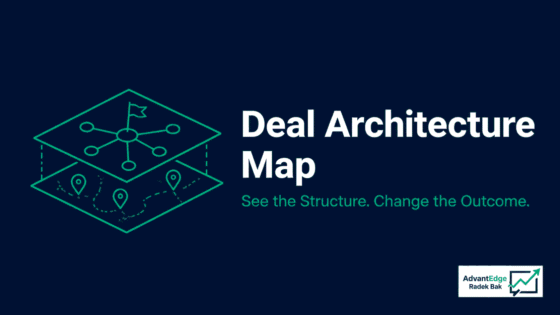
- A Deal Architecture Map (criteria, weights, alternatives, decision flow)
- A Stakeholder Alignment Framework clarifying roles and influence points
- A Pre-Negotiation Positioning Logic that protects leverage before engagement
These artefacts are used before any negotiation meeting takes place.
5. The Anti-Pitch (Differentiation)
How Procurement Decides is not:
- sourcing process training
- supplier positioning advice
- a generic “early engagement” workshop
It is a deal control intervention designed to prevent disadvantage before it becomes visible.
6. The Boundary (Disqualification)
This is not the right starting point if:
- deal criteria are already fixed and formally issued
- the negotiation is already in progress
- the main risk sits in delivery, not deal architecture
In those cases, a different entry point in The Negotiation Surgery is more appropriate.
7. The Outcome (Future State)
After How Procurement Decides:
- Procurement criteria stop being a surprise
- Negotiations start from a position of structural parity
- Fewer concessions are needed later because leverage is balanced earlier
- Commercial teams stop reacting and start shaping outcomes
Negotiation becomes a controlled step, not a rescue operation.
8. The Target (Who needs this)
Designed for commercial and sales leaders who negotiate with Procurement and need to control deal structure before leverage locks against them.
Common roles:
- Sales and commercial leaders
- Bid and tender teams
- Teams facing structured sourcing processes
9. Delivery Format (How it is delivered)
How Procurement Decides is typically delivered through:
• A focused upstream diagnostic
• A 1-2 day company-specific intensive workshop for the relevant commercial team
• Pre-work to surface current commercial challenges before the workshop
• Practical examples and structured exercises on buyer criteria, tender exposure, decision logic, and early positioning
• Working artefacts for use before negotiation starts
• Optional advisory follow-up for selected early buyer interactions, where agreed
The work is front-loaded because control is lost before the formal negotiation starts.
Check if this is the right entry point
Related Deal Intelligence
Explore related sections: Control Before the RFP, Procurement Decision Logic, and Invisible Margin Loss.