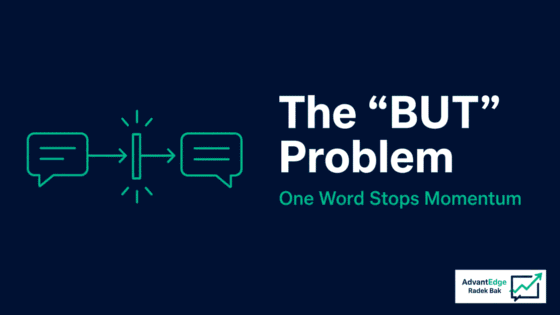
“I don’t want this to become a conflict.”
Conflict just entered the room.
In negotiation, language does not only communicate intent. It directs attention. If you introduce a risk, you make it part of the decision environment.
Where control is lost?
In procurement-led negotiations, negotiation language risk appears when statements are interpreted for signal, not intention. Negative framing introduces the very outcome you are trying to avoid. The pattern is consistent:
Risk is named, then amplified: Mentioning conflict, pressure, or margin creates focus on that issue.
Defensiveness is triggered: The counterparty reacts to the implied threat, not your intended reassurance.
Attention shifts away from the objective: Instead of moving forward, the conversation anchors on the risk.
The narrative is weakened: Your position appears reactive rather than controlled.
Procurement uses this shift. Once risk is introduced, it becomes part of the negotiation logic. It can be referenced, tested, and leveraged.
What it costs?
This is not a communication detail. It is a control failure.
- Negotiation focus drifts toward risk instead of outcome.
- Defensive behaviour increases as the counterparty reacts to perceived pressure.
- Leverage weakens when your language signals uncertainty.
- Progress slows because attention is redirected.
- Concessions become more likely as you try to recover control.
Once the wrong frame is introduced, the discussion moves away from your objective.
What must be installed?
Language must direct the negotiation, not dilute it.
- Focus is set explicitly: Statements define what should happen, not what should be avoided.
- Risk is managed, not introduced: Concerns are addressed without naming them as primary drivers.
- Position is stated without negation: Clarity replaces reassurance.
- Every statement supports the objective: Language is tested for how it will shape the conversation.
This shifts communication from reactive phrasing to controlled direction.
Relevant Negotiation Surgery™ entry point: Behind the Curtain™
Use the Control Gap Diagnostic to identify whether communication patterns are weakening your negotiation control.