AdvantEdge
  •  Contact
  •  Capabilities
    • Negotiation and Influencing
    • Project Management
    • Sourcing Process
    • Value Selling
    • Soft Skills
      • Presentation and Storyteling
      • Coaching Skills for Leaders
      • Problem Solving and Critical Thinking
      • Facilitation Skills
  •  Why AdvantEdge?
  •  Meet Radek
  •  Start
  •  Network
    • India Gateway
    • Circular Pack Asia
    • InnoArk
    • Salt In Motion
  •  BLOG
AdvantEdge

Sharpen Your Edge. Elevate Performance.

AdvantEdge
  • Start
  • Why AdvantEdge
  • Capabilities
    • Negotiation and Influencing
    • Project Management
    • Sourcing Process
    • Value Selling
    • Soft Skills
      • Presentation and Storyteling
      • Coaching Skills for Leaders
      • Problem Solving and Critical Thinking
      • Facilitation Skills
  • Meet Radek
  • Network
    • India Gateway
    • Circular Pack Asia
    • InnoArk
    • Salt In Motion
  • Blog
  • Contact
  • Negotiation and Influencing
  • Soft Skills

Power Is Yours

  • Radek Bak
  • 2025-10-29
Total
0
Shares
0
0
0

Too often, negotiators walk into a room believing their power is solely defined by their title, budget, or authority. The reality, however, is that genuine negotiating strength is a matter of perceived risk and consequences, not position. This crucial insight explores the psychological dynamic known as the Perception of Power—revealing how you can shift the balance and gain an AdvantEdge even when your resources seem limited.

Perception of Power: How Mindset Trumps Position in Negotiation

🧠 Lesson from a Prison Cell

In “You Can Negotiate Anything”, Herb Cohen shares a story that perfectly captures how power in negotiation is often a matter of perception, not position.

The Prison Paradox: Shifting the Risk Dynamic

🚪 A prisoner, locked in his cell, asks a guard for a cigarette.
The guard refuses.
The prisoner calmly says:
“If I don’t get it, I am going to bang my head against the concrete wall till I am a bloody mess and unconscious. When the prison officials pick me off the floor and revive me, I will swear you did it”.

Suddenly, the dynamic changes.
The guard realizes that saying no could mean serious trouble for him – investigation, blame, paperwork, punishment.
Saying yes costs him nothing.

Moments later, the prisoner gets his cigarette.

A minimalist illustration of a smiling prisoner with a ball and chain, successfully negotiating a cigarette, symbolizing the shift in power perception.
Power isn’t position: The prisoner’s successful negotiation proves perceived risk changes the dynamic.

Cohen’s Core Insight: Power is a Belief System

💡 Cohen’s insight:
“Power is based on perception.
If you think you’ve got it, you’ve got it.
If you think you don’t, you don’t.”

The prisoner had no real authority. But by making the guard imagine the consequences of refusal, he shifted the perception of risk — and therefore, the power.

Strategic Takeaways for Influencing Perception

🔹 Power is rarely absolute — it exists only in the minds of those at the table.
🔹 Your composure, preparation, and confidence can shift perception in your favour — even when you have fewer resources or leverage.
🔹 The way you see yourself determines how others respond to you.

When you walk into your next negotiation, ask yourself:
👉 What perception of power am I projecting?
👉 And how can I influence how the Other Party perceives theirs?

The most critical piece of leverage you possess is your ability to control the narrative. By mastering your composure and focusing the other party on the risks of saying ‘no’ rather than your lack of resources, you fundamentally change the power equation. Start training your mind to project unshakable authority, regardless of your official title.

Elevate your ability to influence and lead complex negotiations. Explore Negotiation and Influencing Capabilities today.

What is the most powerful negotiation tactic you’ve used with no authority? Share your insight below! ▾
  • Advanced Negotiation Skills
  • Business Influence
  • Negotiation Leverage
  • Power in Negotiation
  • Psychology of Communication
  • Strategic Decision Making
You May Also Like
View Post
  • Bez kategorii

The Should-Cost Advantage

  • Radek Bak
  • 2025-12-09
Illustration showing a shield and a briefcase separated by a line, representing the Warrior vs. Diplomat negotiation archetypes.
View Post
  • Negotiation Strategy
  • Negotiation and Influencing

Negotiation Archetypes

  • Radek Bak
  • 2025-12-07
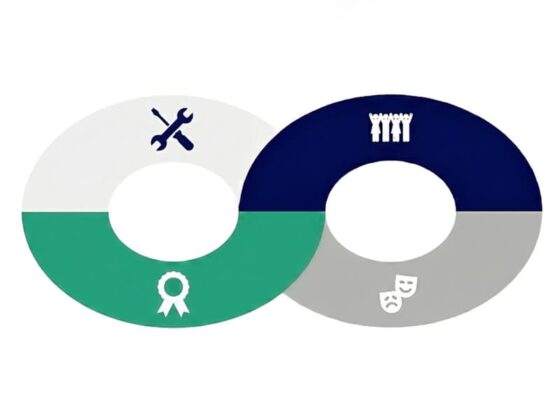
An infinity loop illustration representing the continuous strategic negotiation process. The cycle contains four phases marked by icons: Stagecraft (tools), Live Performance (team), Curtain Call (theatre masks), and Awards Gala (prize ribbon).
View Post
  • Negotiation Strategy

The Infinity Model

  • Radek Bak
  • 2025-12-02
Minimalist navy blue and green target icon symbolizing precise negotiation language and definitive action.
View Post
  • Negotiation and Influencing

Negotiation Language

  • Radek Bak
  • 2025-11-30
minimalist illustration of a theatre stage symbolising complex negotiation strategy and performance
View Post
  • Negotiation and Influencing

The Grand Theatre

  • admin
  • 2025-11-25
Stylized line-art portrait of a historical leader, used to illustrate INFJ negotiation style, vision, patience, and strategic influence.
View Post
  • MBTI Personality
  • Negotiation and Influencing

Quiet Power

  • Radek Bak
  • 2025-11-23
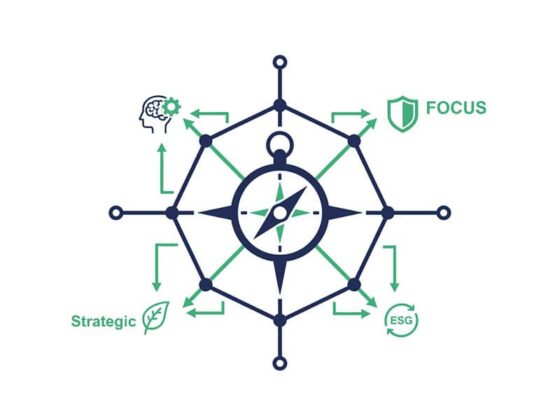
Compass diagram with icons for strategic thinking, ESG, focus and innovation, representing direction in strategic procurement.
View Post
  • Procurement Strategy

The Kraljic Matrix

  • admin
  • 2025-11-18
Illustration of the Battle of Kadesh used to explain ancient negotiation strategy and peace agreements.
View Post
  • Negotiation and Influencing
  • Negotiation Strategy

The Battle of Kadesh

  • Radek Bak
  • 2025-11-16

Leave a Reply Cancel reply

Your email address will not be published. Required fields are marked *

Featured Insights
  • Illustration showing a shield and a briefcase separated by a line, representing the Warrior vs. Diplomat negotiation archetypes. 1
    Negotiation Archetypes
  • Minimalist line portrait of Mahatma Gandhi, representing the INFP personality type and its quiet strength in leadership and communication. 2
    The Great Sixteen
  • Stylized line-art portrait of a historical leader, used to illustrate INFJ negotiation style, vision, patience, and strategic influence. 3
    Quiet Power
  • Compass diagram with icons for strategic thinking, ESG, focus and innovation, representing direction in strategic procurement. 4
    The Kraljic Matrix
  • Minimalist line portrait of Albert Einstein, representing the INTP personality type and its application to analytical leadership. 5
    Inside Einstein’s Mind
Categories
Popular Topics
Strengths and WeaknessesStrategic Decision MakingSoft Skills TrainingRelationship BuildingPsychology of CommunicationPersonality TypesMBTI PersonalityLeadership StylesInfluence TechniquesEmotional IntelligenceCreative ThinkingCommunication StylesCognitive FunctionsCareer DevelopmentBusiness InfluenceAdvanced Negotiation Skills
Make Personality Test
Visual graphic symbolizing the discovery and analysis of diverse MBTI-style personality types and strategic thinking patterns.

AdvantEdge

Sharpen Your Edge. Elevate Performance.

Business training and advisory focused on sourcing, negotiation, leadership, and project execution.

Trainings
Negotiation & Influencing
Project Management
Strategic Sourcing
Value-Based Selling
Leadership & Coaching
Soft Skills Training
Custom Corporate Solutions

Company
Based in Switzerland, working globally.

About
Contact
Privacy Policy
Cookie Policy

Input your search keywords and press Enter.