AdvantEdge
  •  Contact
  •  Capabilities
    • Negotiation and Influencing
    • Project Management
    • Sourcing Process
    • Value Selling
    • Soft Skills
      • Presentation and Storyteling
      • Coaching Skills for Leaders
      • Problem Solving and Critical Thinking
      • Facilitation Skills
  •  Why AdvantEdge?
  •  Meet Radek
  •  Start
  •  Network
    • India Gateway
    • Circular Pack Asia
    • InnoArk
    • Salt In Motion
  •  BLOG
AdvantEdge

Sharpen Your Edge. Elevate Performance.

AdvantEdge
  • Start
  • Why AdvantEdge
  • Capabilities
    • Negotiation and Influencing
    • Project Management
    • Sourcing Process
    • Value Selling
    • Soft Skills
      • Presentation and Storyteling
      • Coaching Skills for Leaders
      • Problem Solving and Critical Thinking
      • Facilitation Skills
  • Meet Radek
  • Network
    • India Gateway
    • Circular Pack Asia
    • InnoArk
    • Salt In Motion
  • Blog
  • Contact
  • Negotiation and Influencing
  • Soft Skills

The Pink Elephant

  • Radek Bak
  • 2025-11-11
Total
0
Shares
0
0
0

The power of words in high-stakes environments cannot be overstated. When crafting your negotiation strategy, have you ever considered the impact of a simple word like “don’t”? This powerful psychological principle, the Ironic Process of Mental Control, reveals how negative framing can actually undermine your communication goals and reinforce the very ideas you are trying to suppress.

🧠 Negotiation Insight – Why “Don’t” Does Not Work

Do this for a moment:

Do NOT think of a pink elephant.
Don’t picture it.
Just… don’t.

The Ironic Process of Mental Control

What happened?

Exactly.
Your mind produced a bright pink elephant before it even had the chance to “not” think about it.

A minimalist illustration of a lightly outlined, nearly invisible elephant casting a prominent, bright pink shadow, representing the psychological paradox of thought suppression.
The shadow reveals the thought: The pink elephant that persists despite our efforts to ignore it.

Our brains process the image first and the negation second.
Too late.

This is known as Daniel Wegner’s Ironic Process of Mental Control.
When we attempt to suppress a thought… we often reinforce it.

The Cost of Negative Framing in Negotiation

💼 What this means in negotiation:

When someone says:

“We don’t want conflict here.”
The mind hears → conflict.

“This is not a bad deal.”
The mind hears → bad deal.

“I’m not being aggressive.”
The mind hears → aggressive.

Negative framing unintentionally strengthens the very idea you want to avoid.

The Solution: Positive Framing

✅ The Better Move: Positive Framing

Guide attention toward what you do want:

Instead of “Don’t think of a pink elephant.”
→ “Picture a graceful white swan.”

Instead of “This is not a bad deal.”
→ “This is a strong and mutually valuable agreement.”

Instead of “I don’t want tension.”
→ “Let’s work toward a constructive solution.”

Positive framing reduces resistance and shifts the emotional tone of the negotiation.

Understanding the psychology behind linguistic framing is the AdvantEdge in any negotiation. By consciously shifting from negative instructions (what not to think) to positive affirmations (what to focus on), you can guide conversations more effectively, reduce friction, and secure better outcomes. Train your brain, and your language, to prioritize the solution, not the problem.

What is the most common negative phrase you hear in negotiations? Share your thoughts and questions in the comments! ▾

Discover more practical, real-world negotiation methods designed for immediate application on dedicated training pages.
  • Business Influence
  • Cognitive Bias
  • Framing in Negotiation
  • Positive Language
  • Psychology of Communication
  • Soft Skills Training
You May Also Like
View Post
  • Bez kategorii

The Should-Cost Advantage

  • Radek Bak
  • 2025-12-09
Illustration showing a shield and a briefcase separated by a line, representing the Warrior vs. Diplomat negotiation archetypes.
View Post
  • Negotiation Strategy
  • Negotiation and Influencing

Negotiation Archetypes

  • Radek Bak
  • 2025-12-07
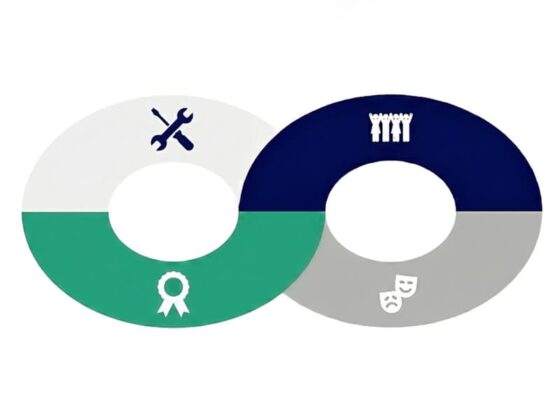
An infinity loop illustration representing the continuous strategic negotiation process. The cycle contains four phases marked by icons: Stagecraft (tools), Live Performance (team), Curtain Call (theatre masks), and Awards Gala (prize ribbon).
View Post
  • Negotiation Strategy

The Infinity Model

  • Radek Bak
  • 2025-12-02
Minimalist navy blue and green target icon symbolizing precise negotiation language and definitive action.
View Post
  • Negotiation and Influencing

Negotiation Language

  • Radek Bak
  • 2025-11-30
minimalist illustration of a theatre stage symbolising complex negotiation strategy and performance
View Post
  • Negotiation and Influencing

The Grand Theatre

  • admin
  • 2025-11-25
Stylized line-art portrait of a historical leader, used to illustrate INFJ negotiation style, vision, patience, and strategic influence.
View Post
  • MBTI Personality
  • Negotiation and Influencing

Quiet Power

  • Radek Bak
  • 2025-11-23
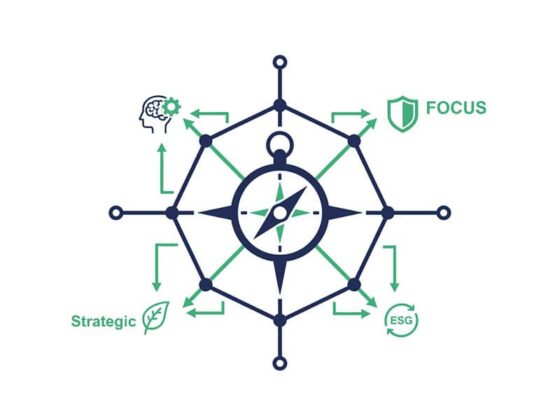
Compass diagram with icons for strategic thinking, ESG, focus and innovation, representing direction in strategic procurement.
View Post
  • Procurement Strategy

The Kraljic Matrix

  • admin
  • 2025-11-18
Illustration of the Battle of Kadesh used to explain ancient negotiation strategy and peace agreements.
View Post
  • Negotiation and Influencing
  • Negotiation Strategy

The Battle of Kadesh

  • Radek Bak
  • 2025-11-16

Leave a Reply Cancel reply

Your email address will not be published. Required fields are marked *

Featured Insights
  • Minimalist line portrait of Mahatma Gandhi, representing the INFP personality type and its quiet strength in leadership and communication. 1
    The Great Sixteen
  • Compass diagram with icons for strategic thinking, ESG, focus and innovation, representing direction in strategic procurement. 2
    The Kraljic Matrix
  • 3
    The Should-Cost Advantage
  • Illustration of the Battle of Kadesh used to explain ancient negotiation strategy and peace agreements. 4
    The Battle of Kadesh
  • A minimalist line illustration of a brain tightly wrapped in green chains, with a hand holding the loose end, symbolizing the anchoring effect and cognitive bias in negotiation. 5
    The Gandhi Guess
Categories
Popular Topics
Strengths and WeaknessesStrategic Decision MakingSoft Skills TrainingRelationship BuildingPsychology of CommunicationPersonality TypesMBTI PersonalityLeadership StylesInfluence TechniquesEmotional IntelligenceCreative ThinkingCommunication StylesCognitive FunctionsCareer DevelopmentBusiness InfluenceAdvanced Negotiation Skills
Make Personality Test
Visual graphic symbolizing the discovery and analysis of diverse MBTI-style personality types and strategic thinking patterns.

AdvantEdge

Sharpen Your Edge. Elevate Performance.

Business training and advisory focused on sourcing, negotiation, leadership, and project execution.

Trainings
Negotiation & Influencing
Project Management
Strategic Sourcing
Value-Based Selling
Leadership & Coaching
Soft Skills Training
Custom Corporate Solutions

Company
Based in Switzerland, working globally.

About
Contact
Privacy Policy
Cookie Policy

Input your search keywords and press Enter.