What the Battle of Kadesh Teaches Modern Leaders About Negotiation Strategy
Most people think negotiation is about winning.
History tells a different story.
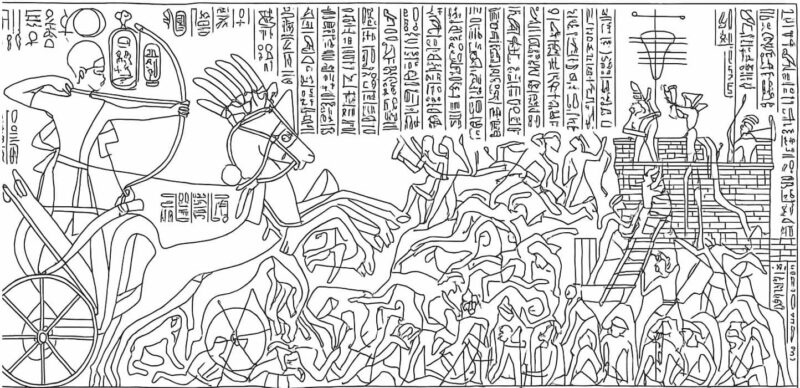
The Battle of Kadesh (1274 BCE) – fought between Pharaoh Ramses II of Egypt and King Muwatalli II of the Hittite Empire – is one of history’s greatest lessons in leadership, power, and strategy.
Tens of thousands of warriors met on the battlefield. Neither side won. Yet both claimed victory. And from this stalemate emerged the world’s first known peace treaty – a masterclass in how powerful leaders negotiate when winning is no longer an option.
A War That Became a Negotiation
After months of preparation and bloodshed, both empires faced the same reality:
continuing the war would destroy them both.
Each ruler had to protect his image, resources, and people – and still appear strong.
They didn’t need to win a war. They needed to win the story.
That’s exactly what they did.
Each side publicly celebrated “victory,” while privately building a peace agreement that served their real interests: security, stability, and strategic advantage.
The World’s First Peace Treaty – and the Start of Win-Win Thinking
The treaty that followed Kadesh included clauses that modern negotiators would recognize instantly:
-
Mutual non-aggression
-
Alliance against external threats
-
Return of fugitives (early version of extradition)
It wasn’t about goodwill. It was about realpolitik – and the recognition that collaboration creates more value than conflict.
That’s the same truth that defines effective negotiation today.
5 Lessons from 1274 BCE Every Modern Leader Should Know
1. Winning the Narrative Is Winning the Negotiation
Both sides needed to save face. In business, helping your counterpart maintain dignity can unlock the deal. Ego is often a bigger obstacle than price.
2. Know When to Stop Fighting
The most powerful negotiators recognize when the cost of “winning” exceeds the benefit. Timing is strategy – not surrender.
3. Build Leverage Through Interdependence
Egypt and the Hittites needed one another to survive.
In modern markets, your competitors, suppliers, and clients often do, too.
4. Protect Identity Before You Propose Terms
People defend their self-image before they defend their position.
Respect it – and you’ll move the conversation forward faster.
5. Focus on Long-Term Advantage
The Kadesh treaty lasted over 40 years – longer than most CEOs’ careers.
Negotiation is not about today’s deal; it’s about tomorrow’s possibilities.
From Ancient Battlefields to Modern Boardrooms
Negotiation has evolved – but human nature hasn’t.
The same instincts that shaped Ramses and Muwatalli shape how executives, suppliers, and partners behave today.
At AdvantEdge, I train leadership teams to master negotiation as a strategic capability – one that transforms confrontation into collaboration, and leverage into partnership.
I help organizations:
-
Strengthen their negotiation culture
-
Build measurable impact across global teams
-
Create outcomes where both sides choose cooperation – not compliance
Ready to Turn Conflict into Collaboration?
If your leadership team wants to negotiate with clarity, confidence, and lasting impact, I can help.
My training programs are designed for organizations that want to move beyond tactics – toward a mindset of strategic influence.
👉 Let’s talk about your team’s negotiation goals.