AdvantEdge
  •  Contact
  •  Capabilities
    • Negotiation and Influencing
    • Project Management
    • Sourcing Process
    • Value Selling
    • Soft Skills
      • Presentation and Storyteling
      • Coaching Skills for Leaders
      • Problem Solving and Critical Thinking
      • Facilitation Skills
  •  Why AdvantEdge?
  •  Meet Radek
  •  Start
  •  Network
    • India Gateway
    • Circular Pack Asia
    • InnoArk
    • Salt In Motion
  •  BLOG
AdvantEdge

Sharpen Your Edge. Elevate Performance.

AdvantEdge
  • Start
  • Why AdvantEdge
  • Capabilities
    • Negotiation and Influencing
    • Project Management
    • Sourcing Process
    • Value Selling
    • Soft Skills
      • Presentation and Storyteling
      • Coaching Skills for Leaders
      • Problem Solving and Critical Thinking
      • Facilitation Skills
  • Meet Radek
  • Network
    • India Gateway
    • Circular Pack Asia
    • InnoArk
    • Salt In Motion
  • Blog
  • Contact
  • Negotiation and Influencing
  • Soft Skills

The Gandhi Guess

  • Radek Bak
  • 2025-11-06
Total
0
Shares
0
0
0

In high-stakes negotiation, the first number mentioned often dictates the final outcome—but not always in your favor. This phenomenon, known as the Anchoring Effect, is a powerful cognitive bias where decision-making is heavily influenced by the initial piece of information received. Understanding how to use and defend against anchors is a cornerstone of advanced negotiation strategy. This insight explores the psychology of this critical effect.
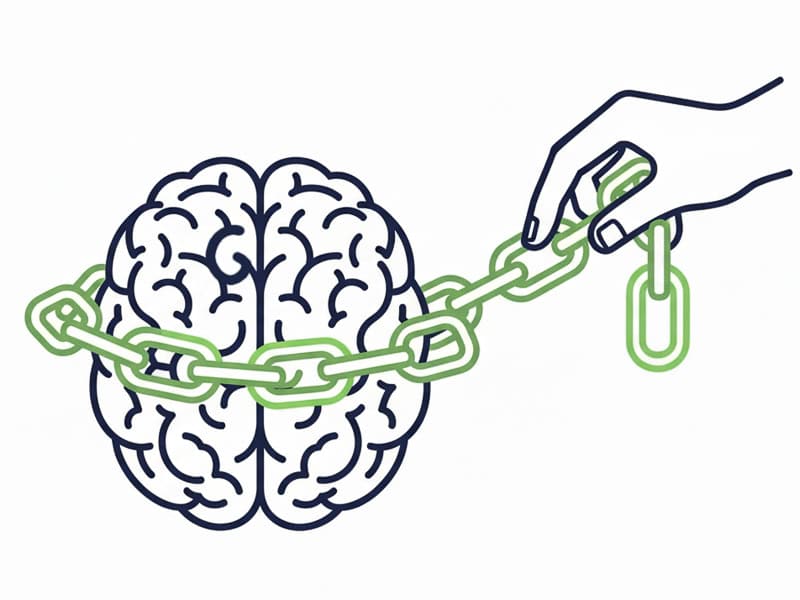
A minimalist line illustration of a brain tightly wrapped in green chains, with a hand holding the loose end, symbolizing the anchoring effect and cognitive bias in negotiation.
Visualizing the Anchoring Effect: How initial information can chain your thoughts in negotiation.

🎯The 40-Year-Old Trap: How a Random Number Sabotages Your Decisions

In a recent workshop, I ran a simple exercise:
“Do you think Mahatma Gandhi passed away below or above the age of 40?”

Everyone had the same mental image of a revered Indian statesman: elderly, calm, wise.
And yet – the moment the “40” was introduced, something interesting happened…

People started guessing.
They knew he looked old, but they began doubting their own intuition:
“Maybe the hardships aged him?”
“Maybe he just looked older than he was?”
“Maybe his health deteriorated earlier?”

We ended up with answers ranging from 42 (!) to mid-50s to 67.
The closest still missed the mark.

👉 Gandhi was 78.

The Gandhi Paradox: How Anchors Distort Intuition

This exercise was not about knowledge.
It was a live example of anchoring – our mind’s tendency to lean heavily on the first reference it’s given, even when it makes little or no sense.

The Psychological Impact in High-Stakes Talks

🧠 Why this matters in negotiation:
The first number sets the frame of reasonableness.
Even confident professionals adjust around that first anchor.
The conversation becomes reactive, not strategic.

Strategic Takeaways for Anchoring and Defense

💼 Practical takeaway:
If you want to use anchoring → make your opening proposal early and clearly.
If you want to defend against it → don’t argue against their number.
Reframe and establish your own reference point.

Because in negotiation, we are not just exchanging data – we are shaping perception.

The anchoring effect proves that negotiation is not simply a logical exchange of facts, but a psychological contest to frame the narrative. Mastering this cognitive bias allows you to move the conversation from reactive price haggling to a strategic discussion centered on value. Ready to master the psychological side of business?

Discover advanced negotiation frameworks and practical, immediate-application training solutions on dedicated Capabilities pages.


What is the most aggressive Anchor you have successfully defended against? Share your story and strategies below! ▾
  • Advanced Negotiation Skills
  • Anchoring Negotiation
  • Cognitive Bias in Business
  • Influence Techniques
  • Strategic Decision Making
  • Value Selling
You May Also Like
View Post
  • Bez kategorii

The Should-Cost Advantage

  • Radek Bak
  • 2025-12-09
Illustration showing a shield and a briefcase separated by a line, representing the Warrior vs. Diplomat negotiation archetypes.
View Post
  • Negotiation Strategy
  • Negotiation and Influencing

Negotiation Archetypes

  • Radek Bak
  • 2025-12-07
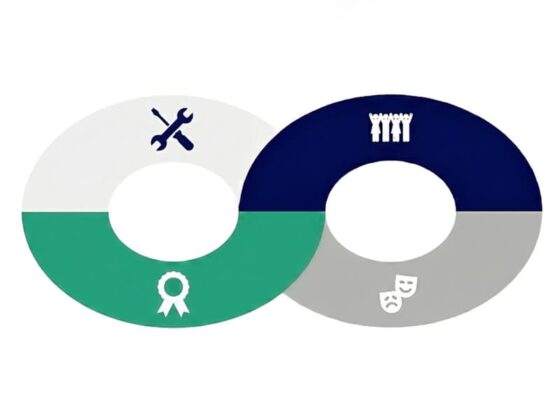
An infinity loop illustration representing the continuous strategic negotiation process. The cycle contains four phases marked by icons: Stagecraft (tools), Live Performance (team), Curtain Call (theatre masks), and Awards Gala (prize ribbon).
View Post
  • Negotiation Strategy

The Infinity Model

  • Radek Bak
  • 2025-12-02
Minimalist navy blue and green target icon symbolizing precise negotiation language and definitive action.
View Post
  • Negotiation and Influencing

Negotiation Language

  • Radek Bak
  • 2025-11-30
minimalist illustration of a theatre stage symbolising complex negotiation strategy and performance
View Post
  • Negotiation and Influencing

The Grand Theatre

  • admin
  • 2025-11-25
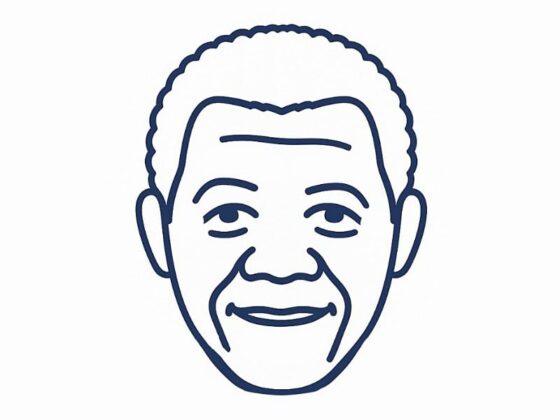
Stylized line-art portrait of a historical leader, used to illustrate INFJ negotiation style, vision, patience, and strategic influence.
View Post
  • MBTI Personality
  • Negotiation and Influencing

Quiet Power

  • Radek Bak
  • 2025-11-23
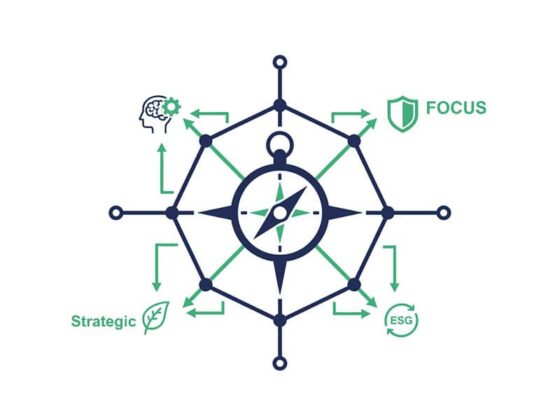
Compass diagram with icons for strategic thinking, ESG, focus and innovation, representing direction in strategic procurement.
View Post
  • Procurement Strategy

The Kraljic Matrix

  • admin
  • 2025-11-18
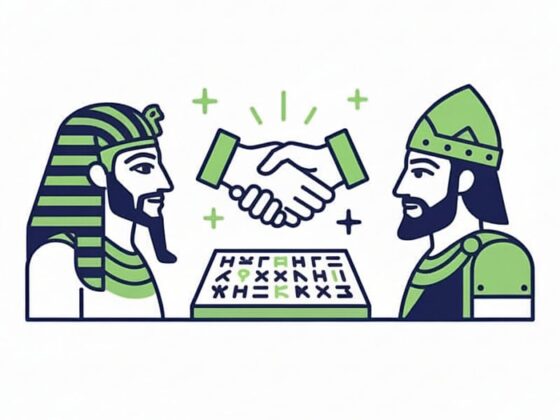
Illustration of the Battle of Kadesh used to explain ancient negotiation strategy and peace agreements.
View Post
  • Negotiation and Influencing
  • Negotiation Strategy

The Battle of Kadesh

  • Radek Bak
  • 2025-11-16
2 comments
  1. Rajani Nair says:
    2025-11-28 at 10:21

    Negotiating a salary for a new job.

    Reply
  2. Radek Bak says:
    2025-11-30 at 18:34

    Namaste Rajani, your comment is spot on. The question is who is going to anchor whom – the potential Employer… or the potential Employee. Many believe only the former one can do it. And we may always challenge that “belief”! 🙂

    Reply

Leave a Reply Cancel reply

Your email address will not be published. Required fields are marked *

Featured Insights
  • Stylized line-art portrait of a historical leader, used to illustrate INFJ negotiation style, vision, patience, and strategic influence. 1
    Quiet Power
  • Minimalist line portrait of Albert Einstein, representing the INTP personality type and its application to analytical leadership. 2
    Inside Einstein’s Mind
  • A minimalist illustration of three green Diwali oil lamps, symbolizing cultural awareness and relationship-building in Indian negotiation. 3
    Power of Relationship
  • A minimalist illustration of a lightly outlined, nearly invisible elephant casting a prominent, bright pink shadow, representing the psychological paradox of thought suppression. 4
    The Pink Elephant
  • An infinity loop illustration representing the continuous strategic negotiation process. The cycle contains four phases marked by icons: Stagecraft (tools), Live Performance (team), Curtain Call (theatre masks), and Awards Gala (prize ribbon). 5
    The Infinity Model
Categories
Popular Topics
Strengths and WeaknessesStrategic Decision MakingSoft Skills TrainingRelationship BuildingPsychology of CommunicationPersonality TypesMBTI PersonalityLeadership StylesInfluence TechniquesEmotional IntelligenceCreative ThinkingCommunication StylesCognitive FunctionsCareer DevelopmentBusiness InfluenceAdvanced Negotiation Skills
Make Personality Test
Visual graphic symbolizing the discovery and analysis of diverse MBTI-style personality types and strategic thinking patterns.

AdvantEdge

Sharpen Your Edge. Elevate Performance.

Business training and advisory focused on sourcing, negotiation, leadership, and project execution.

Trainings
Negotiation & Influencing
Project Management
Strategic Sourcing
Value-Based Selling
Leadership & Coaching
Soft Skills Training
Custom Corporate Solutions

Company
Based in Switzerland, working globally.

About
Contact
Privacy Policy
Cookie Policy

Input your search keywords and press Enter.