Shadow Spend is not a “hidden leak.” It is operational negligence.
Even in mature organisations, I observe a chronic pathology: business functions bypassing the sourcing protocol to purchase services directly. HR hires recruiters; Marketing signs agencies; IT engages consultants.
They call it “agility.” I call it Unmanaged Cost Base. This is not malicious, but it is expensive. When a department buys without a commercial mandate, they are effectively writing cheques they are not qualified to sign.
The Anatomy of the Leak
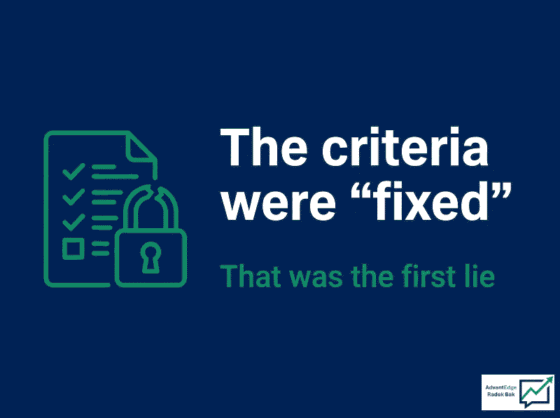
Shadow Spend occurs when the sourcing function is excluded from the decision loop until it is too late to create value. The Typical Scenario: A stakeholder approaches my desk. “The supplier is selected. The scope is fixed. Please negotiate the best price.”
This is not a request for negotiation. It is a request for Administrative Rubber-Stamping. At this stage, 90% of the leverage has evaporated. The supplier knows they have won. The price is anchored. The “negotiation” is purely theatrical.
The Clinical Risks of Unmanaged Spend
Shadow Spend is often tolerated because it feels “fast.” In reality, it introduces structural toxicity into the P&L.
1. Zero Commercial Leverage
When Procurement is absent:
- Market benchmarks are ignored.
- Supplier margins remain unchallenged.
- The price is dictated, not negotiated.
2. Contractual Liability
This is the most dangerous side effect. When Marketing signs a contract without Legal/Sourcing review, who checks the indemnity clauses? Who owns the IP? Who defines the termination triggers? I have seen multi-million Euro liabilities created because a manager signed a “standard vendor form” to save time.
3. Fragmentation of Volume
If five different departments hire five different recruitment agencies, you lose the scale effect. You are paying retail prices for wholesale volume.
The Root Cause: Process Failure
Do not blame “bad behaviour.” Blame the process. Shadow Spend thrives where Procurement is perceived as an obstacle rather than an accelerator. If your sourcing process is slow, bureaucratic, and reactive, the business will bypass you to survive.
The Cure: Upstream Integration
The solution is not more rules. It is Pre-emptive Intervention. You cannot optimise a cost after it has been incurred. You must integrate before the specification is written.
What “Early” Actually Means: It does not mean “being CC’d on the email.” It means Procurement is in the room when the business problem is defined – before a supplier is even named.
The ROI of Early Intervention:
- Scope Rationalisation: We do not just negotiate the price; we challenge the need. “Do we need a consultant for this, or can we automate it?”
- Structural Tension: We introduce competition before the incumbent gets comfortable.
- Speed to Execution: Paradoxically, involving sourcing early makes the process faster. We prevent the legal/compliance roadblocks that usually stall the deal at the signature stage.
The Directive
If you suspect Shadow Spend in your organisation, look for the signals:
- Are suppliers “pre-selected” before you are notified?
- Do you spend your time fixing bad contracts rather than negotiating good ones?
Stop acting as the “Price Police” at the end of the chain. Move upstream. Demand a seat at the table where the scope is defined. That is where the margin is saved.